

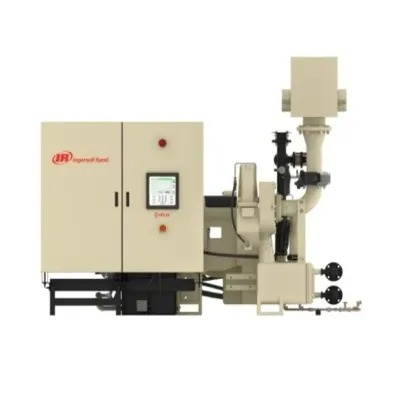
An in-depth guide into the technology, mechanics, and industrial applications of high-flow dynamic compression systems.
Understanding the Power of Dynamic Compression
In the modern industrial landscape, the need for a consistent, high-volume supply of oil-free compressed air is paramount. This is where the centrifugal air compressor stands as the ultimate solution. Unlike positive displacement machines such as reciprocating or screw compressors, a centrifugal air compressor belongs to the dynamic compressor family. It relies on the transfer of kinetic energy from a rotating impeller to the air, which is then converted into pressure energy. At Biaofang, we recognize that selecting the right compression technology is not just about moving air; it is about optimizing energy efficiency, reducing long-term operational costs, and ensuring the purity of the air used in sensitive manufacturing processes.
The centrifugal air compressor is often the heartbeat of large-scale operations, including chemical plants, refineries, textile mills, and food processing facilities. Its design is inherently suited for continuous duty, offering a steady flow rate that smaller, intermittent systems simply cannot match. By understanding the fundamental mechanics of how these machines operate, engineers and facility managers can make informed decisions that impact their plant productivity for decades. Biaofang has spent years perfecting the supply and maintenance of these complex systems, ensuring that our clients receive only the most robust and technologically advanced equipment available in the global market.
The Mechanical Principles: How Does It Work
The operation of a centrifugal air compressor is based on a simple but powerful thermodynamic principle. It starts with the intake of ambient air through a high-efficiency inlet filter. This air is then guided into the center of a rapidly rotating impeller. As the impeller spins at incredibly high speeds—often exceeding 30,000 RPM—it flings the air molecules outward using centrifugal force. This action increases the velocity of the air significantly, converting mechanical energy into kinetic energy. However, velocity alone does not provide the pressure required for industrial tools; the air must undergo a transformation.
Once the high-velocity air leaves the impeller, it enters a stationary component known as the diffuser. The diffuser is designed with expanding flow passages that gradually slow down the air. According to Bernoulli's principle, as the velocity of the fluid decreases, its pressure increases. This is the critical stage where kinetic energy is converted into static pressure. Finally, the pressurized air is collected in a volute or scroll-shaped casing before being directed to the next stage or the aftercooler. In many high-pressure applications, multiple stages of impellers and diffusers are used in series to achieve the desired discharge pressure, with intercoolers placed between each stage to remove the heat of compression and improve efficiency.
Biaofang emphasizes the importance of precision in these components. Any imbalance in the impeller or turbulence in the diffuser can lead to energy loss or mechanical vibration. That is why the centrifugal air compressor systems we support are engineered with aerospace-grade tolerances. The result is a machine that operates with remarkably low vibration levels and high reliability, ensuring that your production line never stops due to air supply failure.
Key Components and Their Functions
1. The High-Speed Impeller
The impeller is the primary moving part of a centrifugal air compressor. It is typically made from high-strength stainless steel or titanium to withstand extreme rotational forces. Its blade geometry is meticulously calculated to maximize air intake and velocity output.
2. The Stationary Diffuser
The diffuser surrounds the impeller and is responsible for the crucial conversion of speed into pressure. By providing a smooth path for air deceleration, it ensures that energy loss is kept to an absolute minimum.
3. The Integral Gearbox
Since the impellers must spin at much higher speeds than standard electric motors can provide, a centrifugal air compressor utilizes an internal speed-increasing gearbox. This gearbox is precision-lubricated to ensure long-term durability.
4. Intercoolers and Aftercoolers
Compression generates significant heat. Intercoolers are used between stages to cool the air, making it denser and easier to compress in the subsequent stage, which drastically improves the overall thermodynamic efficiency of the system.
Professional Insights: When to Choose Centrifugal Technology
Selecting a centrifugal air compressor is a strategic decision usually driven by three factors: flow demand, air purity, and duty cycle. If your facility requires a continuous flow of air above 1,500 CFM, the centrifugal design is significantly more efficient than multiple screw compressors linked together. This efficiency translates directly into lower electricity bills, which often account for over 80% of the total cost of ownership of an air system. Furthermore, because the air chambers are separate from the lubricating oil system, these compressors provide ISO Class 0 oil-free air, which is essential for pharmaceutical and food-grade applications.
Expertise in maintenance is also a critical factor. While a centrifugal air compressor has fewer wearing parts than a reciprocating model (no valves, rings, or packings), the parts it does have—such as high-speed bearings and seals—require specialized care. Biaofang provides the deep technical knowledge required to maintain these systems at peak performance. We advise our clients to implement advanced vibration monitoring and oil analysis to predict maintenance needs before they become critical issues. This proactive approach is what separates a world-class operation from one plagued by downtime.
Biaofang: Your Global Partner for Compressed Air Excellence
At Biaofang, we pride ourselves on being more than just a supplier; we are a comprehensive solutions provider for industrial air systems. Our expertise spans across a wide range of technologies, ensuring that every customer gets the specific machine that fits their operational requirements. We specialize in providing high-quality machines and genuine parts from world-leading brands, combined with our unparalleled technical support and global logistics capabilities.
Our product portfolio is designed to meet the most demanding industrial needs. Whether you are looking for a new installation or seeking to optimize an existing system, Biaofang offers the following industry-leading solutions:
Centrifugal Solutions: Our flagship centrifugal air compressor range includes the renowned Ingersoll Rand MSG Centac series, known for its reliability and efficiency in large-scale applications.
Rotary Screw Technology: For versatile power, explore our oil-flooded rotary screw compressors or our high-performance oil-free rotary screw air compressors.
Reciprocating Units: Ideal for high-pressure and smaller volume needs, we supply heavy-duty reciprocating compressors that stand the test of time.
Genuine Parts & Lubricants: To keep your machines running perfectly, we provide original Techtrol Gold centrifugal lubricant and essential air compressor parts.
The Biaofang Advantage lies in our commitment to quality. We don't just sell equipment; we ensure that your centrifugal air compressor is integrated into a system that includes the right air dryers and advanced controllers for maximum uptime. Our team of experts is always ready to assist with technical selection, troubleshooting, and global parts delivery.
Conclusion: The Future of Your Facility
In conclusion, the centrifugal air compressor remains the gold standard for high-capacity, oil-free industrial air. By leveraging the principles of dynamic compression, these machines offer a level of efficiency and reliability that is essential for modern manufacturing. When you partner with Biaofang, you are choosing a company that understands the intricacies of this technology and is dedicated to your success. From the initial consultation to long-term maintenance support, we are here to ensure your compressed air system is a powerful asset to your business.
Ready to optimize your air system?
Contact Biaofang TodayFrequently Asked Questions
Q1: What are the primary advantages of a centrifugal air compressor?
The primary advantages include high energy efficiency for large-scale operations, a completely oil-free air supply (Class 0), fewer moving parts compared to reciprocating compressors, and the ability to provide a continuous, high-volume flow of air with minimal vibration.
Q2: How often should I maintain my centrifugal air compressor?
Maintenance schedules vary based on environmental conditions and duty cycles, but typically, minor inspections should occur quarterly. Major services involving air filters, oil analysis, and cooler cleaning are usually performed annually to ensure the centrifugal air compressor operates at peak efficiency.
Q3: Is a centrifugal air compressor suitable for small businesses?
Generally, a centrifugal air compressor is designed for high-flow industrial applications. For small businesses with lower CFM requirements, a rotary screw or reciprocating compressor from Biaofang might be more cost-effective and appropriately sized for the workload.
Q4: What causes a surge in a centrifugal air compressor?
A surge occurs when the system back-pressure exceeds the pressure produced by the compressor, causing a reversal of flow. Modern centrifugal air compressor systems use advanced controllers, like those supplied by Biaofang, to monitor flow and pressure to prevent surge conditions through blow-off valves.
Q5: Can Biaofang supply parts for my existing centrifugal air compressor?
Yes, Biaofang specializes in supplying genuine parts and high-quality replacements for a wide range of models, including Ingersoll Rand MSG Centac systems. We provide everything from impellers and bearings to specialized lubricants and seals to keep your equipment running smoothly.