

An in-depth professional guide to selecting the right compression technology for industrial efficiency and long-term reliability.
Understanding the Compressed Air Landscape
In the modern industrial environment, compressed air is often referred to as the fourth utility. Whether you are running a small automotive repair shop or a massive manufacturing plant, the efficiency of your operations depends heavily on the type of air compressor you install. Two technologies dominate the market: the reciprocating air compressor and the rotary screw compressor. Choosing between them is not merely a matter of price; it requires a deep understanding of duty cycles, air quality requirements, and total cost of ownership.
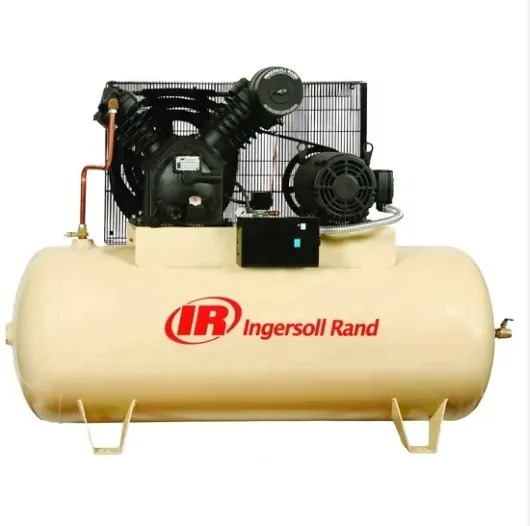
A reciprocating air compressor, also known as a piston compressor, utilizes a crankshaft-driven piston to compress air within a cylinder. This technology is time-tested and robust, making it a staple in various industries for decades. On the other hand, rotary screw compressors use two interlocking helical screws to trap and compress air continuously. Both have distinct advantages and limitations that can either streamline your workflow or lead to unnecessary energy expenditures if misapplied. This guide will provide the technical expertise needed to make an informed decision for your facility.
Mechanical Mechanisms and Working Principles
The core difference between these two systems lies in how they handle air displacement. The reciprocating air compressor is a positive displacement machine. When the piston moves down, air is drawn into the cylinder. As the piston moves up, the volume decreases, increasing the pressure until it reaches the desired level and is discharged through a valve. Because this process involves significant mechanical friction and heat generation, these machines usually require a cooling period, leading to what is known as an intermittent duty cycle.
Conversely, the rotary screw compressor operates on a continuous flow principle. As the rotors turn, the space between the lobes decreases, compressing the air. Because there are no reciprocating parts like pistons or valves hitting seats, the vibration levels are significantly lower. More importantly, rotary screw units are designed to run 24/7 without the need for frequent cooling stops. This makes them the preferred choice for high-demand environments where air must be available at all times without fluctuation.
From a maintenance perspective, the reciprocating air compressor is relatively simple. Most technicians can handle basic valve replacements or ring changes. However, the rotary screw is a more complex piece of engineering, often requiring specialized service for the air end. Despite this complexity, the screw's ability to provide a constant pressure at high volumes often outweighs the maintenance simplicity of the piston counterpart in large-scale operations.
Duty Cycle: Intermittent vs. Continuous Operation
One of the most critical factors in this comparison is the duty cycle. A reciprocating air compressor typically has a duty cycle of 60% to 70%. This means for every ten minutes of operation, the machine should rest for three to four minutes to prevent the pump from overheating. If you push a piston compressor to run at a 100% duty cycle, you risk premature wear of the piston rings, carbon buildup on the valves, and eventual catastrophic failure of the motor or pump.
Rotary screw compressors thrive under continuous use. In fact, running a rotary screw compressor for only short periods can actually be detrimental, as the machine may not reach the optimal operating temperature required to evaporate moisture from the lubricant. For facilities that require a steady stream of air for pneumatic tools, assembly lines, or packaging machinery, the rotary screw is the clear winner. It provides a pulse-free air delivery that ensures sensitive equipment operates at peak performance.
If your application involves short bursts of high-pressure air followed by long periods of inactivity, the reciprocating air compressor is the more economical and logical choice. It is designed to cycle on and off efficiently. Over-specifying a rotary screw for an intermittent application is a common mistake that leads to higher energy bills and increased moisture contamination in the air lines.
Energy Efficiency and Total Cost of Ownership
Initial purchase price is often where the reciprocating air compressor shines. It is significantly less expensive to purchase and install than a rotary screw unit of the same horsepower. For startups or small workshops with limited capital, the lower entry cost is a major benefit. Additionally, spare parts like filters and gaskets are widely available and inexpensive, keeping the annual maintenance budget low.
However, when we look at energy efficiency, the narrative shifts. Rotary screw compressors are generally more efficient per CFM (Cubic Feet per Minute) produced, especially when equipped with Variable Speed Drive (VSD) technology. VSD allows the compressor to slow down or speed up based on actual air demand, rather than running at full speed or idling. Over a five-to-ten-year period, the energy savings from a rotary screw unit can often pay for the difference in the initial purchase price several times over.
Maintenance costs for the rotary screw are higher because the lubricants are more specialized and the air-oil separators must be replaced regularly to ensure air quality. But because the rotary screw produces less oil carryover and heat, the downstream components like air dryers and filters often last longer and perform better. You must weigh the low upfront cost of a piston machine against the long-term operational savings of a screw machine.
Biaofang: Your Partner in Industrial Air Solutions
At Biaofang, we understand that every industrial application has unique demands. We don't just sell machines; we provide strategic air solutions tailored to your specific operational goals. Our expertise spans across a wide range of technologies, ensuring that whether you need the high-pressure capabilities of a piston system or the massive volume of a centrifugal unit, we have the hardware to back you up.
Our product lineup includes the legendary Ingersoll Rand T30 reciprocating air compressor, known for its extreme durability and ability to perform in the harshest environments. For those seeking continuous, energy-efficient power, we offer advanced oil-flooded rotary screw compressors and high-performance oil-free rotary screw air compressors for sensitive pharmaceutical or food grade applications.
Choosing Biaofang means choosing reliability. We also stock a comprehensive inventory of Ingersoll Rand air compressor parts and genuine GHH-RAND air ends to ensure your equipment stays in peak condition. Our commitment to excellence and our deep partnership with world-class brands like Ingersoll Rand and Gardner Denver make us the preferred supplier for businesses worldwide.
Conclusion: Making the Final Verdict
The choice between a reciprocating air compressor and a rotary screw comes down to your specific operational profile. If you have a small shop, need high pressure (above 175 PSI), and only use air intermittently, the reciprocating unit is your best investment. Its simplicity, lower cost, and durability under varied conditions make it a workhorse for smaller enterprises.
However, if your business is expanding and requires a constant, reliable air supply with high energy efficiency, the rotary screw compressor is the superior choice. Its ability to run continuously, low noise levels, and advanced control systems provide the stability needed for modern industrial automation. By analyzing your CFM needs, duty cycle, and budget, you can select the technology that will drive your business forward for years to come.
Frequently Asked Questions
Q1: What is the primary advantage of a reciprocating air compressor for a small workshop?
The primary advantage of a reciprocating air compressor for a small workshop is its low initial cost and its ability to handle intermittent duty cycles. Since small shops often use air in bursts, the piston machine can cycle off to save energy and cool down, making it highly cost-effective for low-demand environments.
Q2: How often should I perform maintenance on my reciprocating air compressor?
For a reciprocating air compressor, you should check the oil level daily and change the oil every 500 to 1,000 hours of operation depending on the environment. Air filters should be inspected weekly and replaced as needed to prevent dust from damaging the internal cylinders and valves.
Q3: Can a reciprocating air compressor run 24 hours a day?
Typically, no. A standard reciprocating air compressor is designed for intermittent use with a duty cycle of around 60-70%. Running it 24 hours a day without stopping will cause extreme heat buildup, leading to mechanical failure. For 24/7 operations, a rotary screw compressor is the recommended solution.
Q4: Is a reciprocating air compressor louder than a rotary screw compressor?
Yes, a reciprocating air compressor is generally much louder because of the mechanical "clatter" of the pistons and valves. Piston compressors often generate 80-90 decibels, whereas rotary screw compressors are often enclosed in sound-dampening cabinets and operate at 60-75 decibels, which is much more comfortable for workers.
Q5: Which is better for high-pressure applications: a rotary screw or a reciprocating air compressor?
The reciprocating air compressor is typically superior for very high-pressure applications. While most rotary screws are optimized for 100-150 PSI, multi-stage reciprocating compressors can easily reach pressures over 175 PSI, and specialty high-pressure models can reach thousands of PSI for industrial gas and breathing air applications.
Ready to Optimize Your Air System?
Whether you need a new machine or genuine spare parts, Biaofang is here to help you achieve maximum efficiency.