

Understanding the Longevity of Your Industrial Assets
The reciprocating air compressor has long been the backbone of numerous industrial applications, ranging from small automotive workshops to heavy-duty manufacturing plants. Its ability to generate high pressure through a simple yet effective piston-driven mechanism makes it indispensable. However, the inherent design of a reciprocating air compressor—involving constant metal-on-metal movement and high thermal discharge—means that efficiency and lifespan are highly dependent on operational discipline. Without a strategic approach to maintenance, these machines can quickly become energy-intensive liabilities.
To maximize the return on investment for your reciprocating air compressor, one must look beyond simple "fix-it-when-it-breaks" mentalities. Improving efficiency requires a holistic understanding of volumetric displacement, heat dissipation, and friction reduction. By focusing on these core mechanical principles, operators can significantly reduce energy consumption while pushing the operational life of the machine well beyond standard expectations. In this guide, we will explore the technical nuances that separate a well-maintained system from a failing one, providing actionable insights for professionals.
Experience shows that even minor adjustments in environmental control and component selection can yield a double-digit percentage improvement in output. Whether you are running a single-stage unit or a multi-stage high-pressure system, the fundamentals of thermodynamics and mechanical wear remain the same. Our goal is to empower you with the knowledge to optimize your compressed air infrastructure for peak reliability and cost-effectiveness.
The Science of Compression: Enhancing Volumetric Output
In a reciprocating air compressor, efficiency is primarily measured by how much of the air drawn into the cylinder is actually delivered as usable pressure. This is known as volumetric efficiency. Several factors can compromise this, with internal leakage being the most prominent culprit. Worn piston rings or poorly seating valves allow air to escape back into the intake or remain trapped in the clearance volume, forcing the motor to work harder for the same output. Addressing these mechanical tolerances is the first step toward reclaiming lost performance.
Thermal management is another critical component. As the reciprocating air compressor compresses air, heat is generated exponentially. High temperatures reduce the density of the air, meaning less mass is compressed per stroke. Implementing effective intercooling between stages (in multi-stage units) and ensuring that the cylinder fins are free from dust and debris can drastically improve the cooling rate. A cooler compressor is a more efficient compressor, as it reduces the work required for the compression cycle and protects the integrity of lubricants.
Furthermore, the intake environment plays a massive role. If the compressor is drawing in hot, humid, or dirty air, the internal components will suffer. Filtration is not just about air quality; it is about protecting the cylinder walls from abrasive particles that cause premature scoring. By optimizing the intake location and using high-efficiency filters, you ensure that the reciprocating air compressor operates with the cleanest possible air, minimizing the friction and wear that lead to catastrophic failure.
Strategic Maintenance: Lubrication and Valve Integrity
The lifeblood of any reciprocating air compressor is its lubricant. Lubrication serves a triple purpose: reducing friction between the piston and cylinder wall, sealing the rings to prevent air bypass, and carrying away heat. Using the wrong type of oil, or failing to change it at prescribed intervals, leads to carbon buildup on the valves. Carbon deposits prevent valves from sealing properly, causing the compressor to cycle more frequently and run hotter, which further degrades the oil in a destructive loop.
To break this cycle, operators should implement a predictive maintenance schedule based on run hours and environmental conditions. Regular valve inspections are mandatory. Since valves are the most active components in a reciprocating air compressor, they are the most likely to fail. Replacing a valve before it breaks can prevent metal fragments from entering the cylinder and causing a total engine seizure. Modern high-performance valves made from advanced materials can offer better heat resistance and faster response times, directly contributing to smoother operation.
We also recommend consistent monitoring of the crankcase. Excessive vibration is often a precursor to bearing failure or crankshaft misalignment. By using vibration analysis tools or simply performing manual checks of the mounting bolts and belts, you can identify issues before they manifest as downtime. A stable, well-lubricated reciprocating air compressor can operate for decades, provided the friction surfaces are respected and maintained with professional-grade fluids designed for high-pressure environments.
Why Biaofang is Your Ultimate Partner in Compression
At Biaofang, we understand that industrial productivity hinges on the reliability of your compressed air system. As a leading provider of high-end equipment and genuine spare parts, we specialize in supporting the entire lifecycle of your reciprocating air compressor. Our expertise isn't just in selling machines; it's in providing solutions that enhance efficiency and reduce total cost of ownership. We offer a comprehensive catalog ranging from complete units to precision-engineered components.
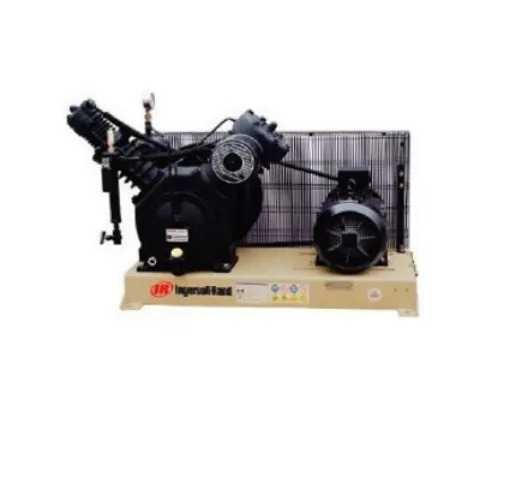
Our inventory includes world-class products such as the Ingersoll Rand T30 reciprocating air compressor, a legendary machine known for its durability in the toughest conditions. To keep these machines running at peak performance, Biaofang provides genuine Ingersoll Rand air compressor parts, including specialized valve kits, piston rings, and gaskets. Using authentic parts is the only way to ensure that your equipment maintains its original factory specifications and safety standards.
Beyond the reciprocating range, Biaofang is a global leader in diverse compression technologies. Whether you require oil-free rotary screw air compressors for sensitive pharmaceutical applications or heavy-duty centrifugal air compressors for large-scale industrial use, our team of experts is ready to assist. With Biaofang, you gain access to a supply chain that prioritizes quality, speed, and technical excellence.
Conclusion: The Path to Sustainable Air Power
Improving the efficiency and lifespan of a reciprocating air compressor is a continuous journey that requires attention to detail and a commitment to quality. By focusing on air intake cleanliness, thermal management, and the use of high-quality lubricants, you can drastically reduce the wear and tear on your equipment. Remember that a small investment in preventative maintenance and genuine parts today will save thousands in energy costs and emergency repairs tomorrow.
In the competitive landscape of modern industry, equipment reliability is a significant competitive advantage. As you look to optimize your facility, trust in the mechanical principles of the reciprocating air compressor and the professional support of industry leaders. With the right strategy, your compression system will remain a productive and efficient asset for many years to come.
Ready to Optimize Your Compressor Performance?
Contact the Biaofang team today for expert advice, genuine parts, and premium air compressor solutions.
Contact Us NowFrequently Asked Questions
Q1: How often should I change the oil in my reciprocating air compressor?
Typically, oil should be changed every 500 to 1,000 hours of operation. However, in dusty or high-heat environments, more frequent changes are necessary to protect the reciprocating air compressor from internal wear and carbon buildup on the valves.
Q2: What causes a reciprocating air compressor to lose pressure?
Pressure loss is often caused by worn piston rings, leaking valves, or a clogged intake filter. Regular inspection of these components ensures the reciprocating air compressor maintains its rated volumetric efficiency and output pressure.
Q3: Why is heat management important for a reciprocating air compressor?
Excessive heat thins the lubricant and reduces air density. By keeping a reciprocating air compressor cool, you ensure better lubrication, lower energy consumption, and a much longer lifespan for the gaskets and seals.
Q4: Can I use generic parts in my reciprocating air compressor?
While generic parts might seem cheaper, they often lack the precise tolerances required. Using genuine parts in your reciprocating air compressor prevents premature failure and ensures the safety and warranty of the machine remain intact.
Q5: How do I choose the right reciprocating air compressor for my business?
Selection depends on your required CFM and pressure (PSI). Consult with experts at Biaofang to find a reciprocating air compressor that matches your duty cycle, ensuring you don't overwork a small unit or waste energy on an oversized one.